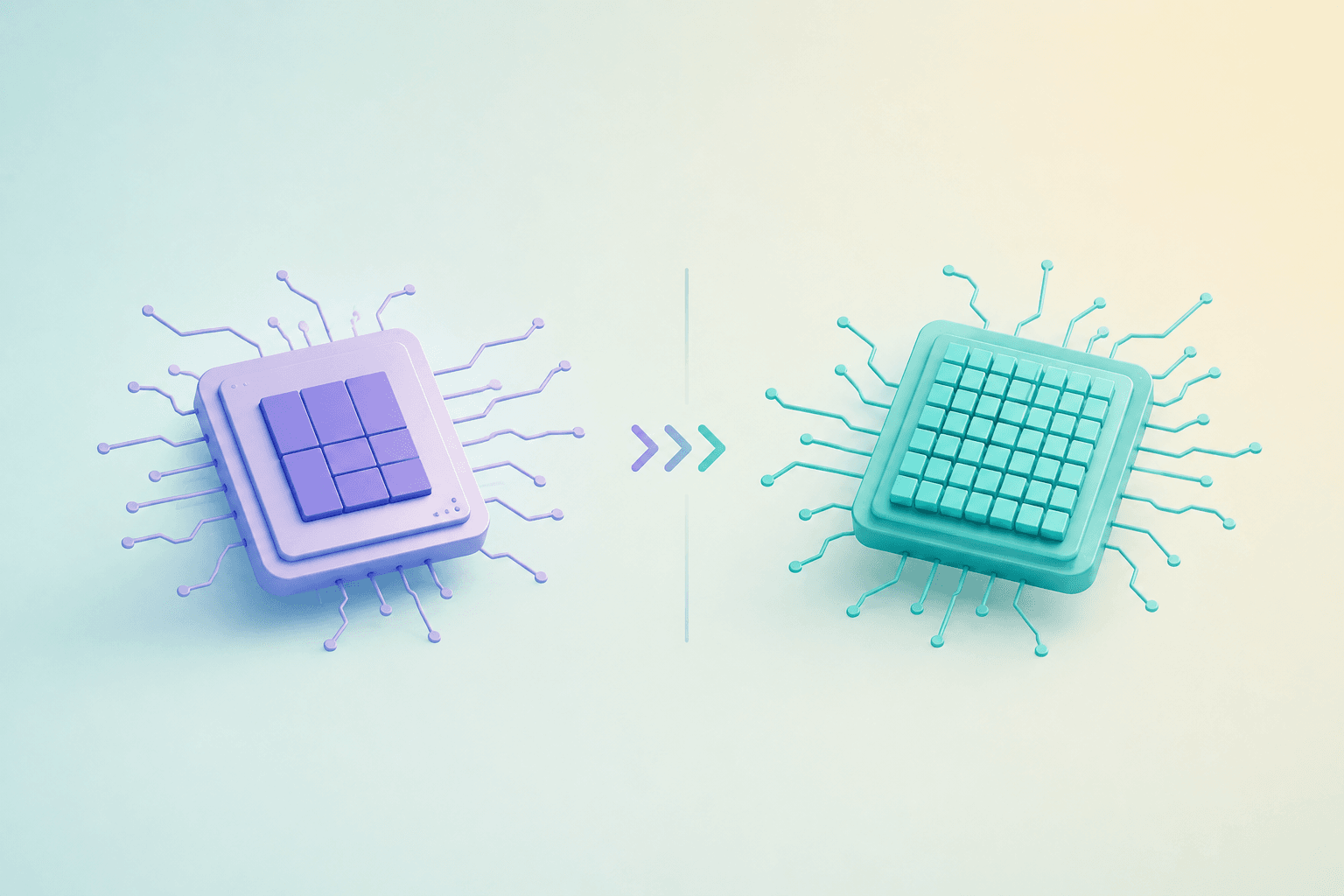



Have you ever played a video game so slow it made you want to throw the controller? OpenAI has a version of that problem, except with massive AI programs rather than games. Their proposed solution is to build their own very fast computer chips.
Why they are doing this
Imagine baking cookies with one tiny oven. That is roughly OpenAI's situation. They need a lot of the specialized chips called GPUs to run their models, and there are not enough to go around. Those chips are the ovens for AI, and without them you cannot bake new models. So they had a lightbulb moment: why not make our own? It is like deciding to build your own oven because the shop is always sold out.
It is not easy
Making chips is nothing like baking cookies. It is very hard and it takes a long time. OpenAI does not expect to have theirs ready until 2026 at the earliest.
They are not alone in trying, either. Google, Amazon, and Meta are all working on their own AI chips. It is a high-tech version of a bake-off.
Why it would matter
If OpenAI pulls it off, three things follow:
- Faster AI. Answers in something close to the blink of an eye.
- Smarter AI. Better chips could mean models that learn things we have not thought of yet.
- Cheaper AI. If building models costs less, more people can afford to use them.
Will it work? Hard to say. Chipmaking is difficult business. But they are not afraid to think big, and for now they are assembling a team of chip experts and looking at acquiring smaller chip companies to help.
Whether they succeed or not, it is a reminder that in AI you sometimes have to think outside the box, or in this case outside the chip.